
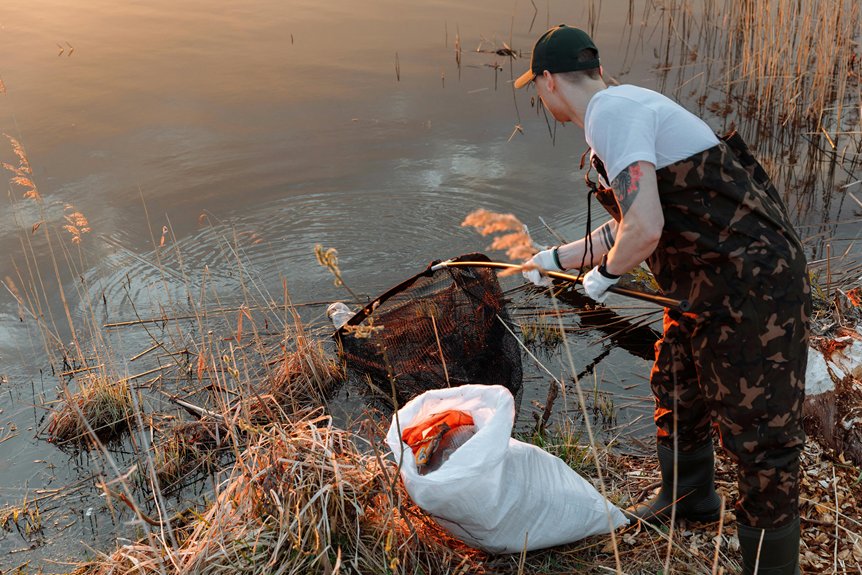
Lake restoration services for HOAs in The Villages, FL focus on preserving stormwater function, water quality, and shoreline stability while meeting NPDES, SWFWMD, and local standards. Providers address nutrient loading, algae, invasive weeds, erosion, and organic muck using aeration, biological controls, shoreline plantings, and targeted treatments. These services protect property value, reduce odors and mosquitoes, and enhance wildlife habitat. Communities seeking clear, compliant, and attractive lakes can benefit from understanding the full range of available restoration options.
For homeowners’ associations in The Villages, proactive lake restoration is essential to preserving water quality, ecological function, and regulatory compliance across their managed communities. Strategic restoration strengthens stormwater performance, stabilizes shorelines, and optimizes nutrient assimilation, directly supporting long‑term asset value and resident satisfaction.
By investing in data‑driven restoration, HOAs align with evolving federal, state, and local water resource regulations, reducing exposure to enforcement actions and unplanned capital expenses. Drawing on advanced biotechnology and proven engineering expertise helps HOAs restore natural lake health while controlling algae, invasive weeds, and sediment buildup.
Ecologically informed interventions—such as native littoral plantings, engineered bathymetry, and circulation enhancements—create resilient aquatic systems capable of withstanding climatic variability and increased development intensity.
Restoration also opens pathways for smart monitoring technologies, integrating sensors, remote data acquisition, and predictive analytics to guide maintenance, budgeting, and compliance documentation with measurable, defensible outcomes.
Across The Villages, lakes and ponds commonly exhibit recurring issues linked to Florida’s warm climate, reclaimed‑water inputs, and intensive stormwater loading. Elevated nutrient loads, particularly nitrogen and phosphorus, drive chronic algal blooms, cyanobacteria dominance, and water‑clarity loss.
Dense mats of hydrilla, filamentous algae, and other invasives displace native macrophytes, degrading habitat for fish, wading birds, and invertebrates.
Thermal stratification in deeper ponds, combined with high biological oxygen demand from organic muck, produces hypoxic or anoxic bottom waters and periodic fish kills.
Shoreline erosion from fluctuating water levels and storm events undermines infrastructure and increases sedimentation.
In many basins, mosquito pressure, odor issues, and aesthetic decline raise resident concerns while compelling HOAs to remain compliant with NPDES stormwater and state water‑quality standards.
Although every lake and pond in The Villages is unique, professional restoration services follow a structured, science‑based process that aligns ecological goals with regulatory obligations. Providers begin with exhaustive diagnostics: bathymetric mapping, water‑quality profiling, watershed analysis, and biological surveys to quantify nutrient loading, sediment composition, invasive biota, and hydraulic connectivity.
Findings are translated into a lake management plan that sequences interventions, defines success metrics, and documents compliance with St. Johns River Water Management District, FDEP, and local stormwater criteria. Modeling tools project responses to proposed actions and climate variability.
Implementation is staged and adaptive. Contractors track dissolved oxygen, chlorophyll‑a, nutrient ratios, and clarity, then iteratively adjust tactics. Continuous data logging and annual reporting support long‑term resilience, budget forecasting, and regulatory audits.
With a structured, science‑based process in place, HOAs in The Villages must understand the specific restoration tools that can be deployed in their lakes and ponds. Core services include nutrient‑reduction programs using targeted algaecides, phosphorus binders, and watershed best management practices to limit fertilizer and stormwater inputs.
Aeration and circulation systems—such as bottom diffused aeration and solar‑powered mixers—restore dissolved oxygen profiles, stabilize stratification, and support beneficial microbial activity.
Native shoreline revegetation and littoral zone plantings control erosion, intercept nutrients, and comply with local buffer regulations.
Biomanipulation, including stocking of triploid grass carp and promotion of forage fish, shifts food webs away from algal dominance.
Invasive aquatic plant management relies on integrated mechanical and EPA‑approved herbicide strategies aligned with Florida Fish and Wildlife Conservation Commission guidelines.
Because many community lakes in The Villages are shallow stormwater systems, accumulated muck and sediment often become the primary driver of chronic turbidity, foul odors, and recurring algae blooms.
Shallow stormwater lakes accumulate muck that fuels persistent turbidity, odors, and nuisance algae blooms
Targeted dredging and organic muck removal address these issues by physically exporting legacy nutrients, metals, and trapped pollutants from the benthic zone.
Modern projects typically employ hydraulic dredges with GPS-guided cutting heads, geo-textile dewatering bags, and on‑site effluent polishing to comply with NPDES and Florida stormwater regulations.
Sediment characterization (grain size, nutrient profile, contaminants) informs disposal or beneficial reuse options.
How can HOA lakes in The Villages maintain attractive views while preventing banks from sloughing into the water and overloading stormwater systems with sediment? Modern shoreline stabilization blends structural and bioengineered methods that comply with Southwest Florida Water Management District criteria and local ordinance setbacks.
Riprap, articulated concrete mats, and vinyl or composite seawalls remain viable where wave energy or foot traffic are intense. However, many communities now favor nature-based solutions.
Coir logs, geogrids, and soil lifts, combined with deep-rooted native littoral plants, dissipate wave action, bind soils, and filter runoff. Strategic contouring, benching, and stabilized access points reduce trampling and erosion.
Properly engineered systems integrate survey data, bathymetry, and hydrologic modeling, ensuring long-term bank stability while preserving viewsheds and wildlife habitat.
Stabilizing shorelines is only part of sustaining HOA lakes in The Villages; surface and submerged vegetation must also be managed to prevent nuisance conditions and regulatory violations. Effective programs integrate species-specific diagnostics, mapping, and monitoring to distinguish beneficial natives from invasive or excessive growth.
Targeted vegetation management complements shoreline stabilization, protecting HOA lakes from nuisance growth and regulatory risks
Innovative lake managers deploy selective, EPA-registered herbicides, biological controls such as triploid grass carp where permitted, and mechanical harvesting targeted to access corridors.
Algae management often combines nutrient-source tracking, calibrated algaecide use, and periphyton-friendly strategies that suppress blooms without collapsing food webs.
Compliance with FWC, EPA, and local water management district standards drives treatment timing, product selection, and buffer requirements, ensuring vegetation control supports long-term ecological resilience and community expectations.
When lake systems in The Villages are managed beyond basic weed control, they can function as clear, balanced water bodies that support diverse wildlife and elevate neighborhood aesthetics. Targeted restoration prioritizes nutrient reduction, dissolved oxygen optimization, and habitat complexity while remaining compliant with Florida water management and stormwater regulations.
Innovative programs integrate bioengineered shorelines, smart aeration, and native vegetation to stabilize banks, filter runoff, and create refuge for birds, fish, and pollinators. As function improves, so does perceived value and curb appeal.
HOAs typically envision:
Selecting a lake restoration provider in The Villages requires more than comparing prices or fountain options; it demands verification that the firm can deliver the kind of clear, ecologically functional systems described above while meeting all applicable Florida water management and stormwater requirements.
Decision-makers should prioritize firms with limnological expertise, demonstrated success in Central Florida’s sandhill and karst landscapes, and familiarity with Southwest Florida Water Management District (SWFWMD) and local NPDES compliance.
A strong candidate conducts baseline assessments (bathymetry, nutrient loading, sediment characterization) and proposes data-driven, minimally invasive interventions.
HOAs should also assess whether the company integrates native littoral plantings, biological controls, and aeration designs optimized for shallow, wind-exposed basins.
Additionally, it is important to determine whether the firm employs remote sensing, GIS, or real-time monitoring to track outcomes and refine strategies.
A sustainable budget and maintenance plan for HOA lakes in The Villages must treat these waterbodies as regulated stormwater assets rather than purely aesthetic features. Forward-looking boards map costs to specific ecological functions and compliance requirements, not just occasional cleanups.
Treat HOA lakes as regulated stormwater infrastructure, aligning budgets with ecological performance and evolving Florida compliance—not cosmetic cleanups.
Multi‑year financial modeling should integrate nutrient-load reduction, shoreline resilience, and evolving Florida regulatory standards.
A clear plan typically allocates funds for:
This framework stabilizes annual dues, extends infrastructure life, and preserves both water quality and property values.
Rules usually tighten during restoration—restricting access, fertilizers, shoreline work, and boating—then shift to adaptive, performance-based regulations emphasizing native vegetation, nutrient limits, low-impact stormwater, electric or non‑wake craft, and long‑term monitoring to safeguard ecological gains and support innovative management.
Residents generally cannot safely fish, kayak, or swim during active restoration; risk hinges on turbidity, dissolved oxygen, herbicides, and equipment. Post-treatment, activities resume only after compliance sampling, agency clearances, and updated HOA risk communications confirm ecological and human-health thresholds.
Loud equipment noise and truck traffic are minimized through electric or low‑decibel machinery, time‑of‑day restrictions, optimized haul routes, on‑site staging, dust and vibration controls, and compliance with local noise ordinances integrated into adaptive, data‑driven construction management.
A degraded neighboring pond can reintroduce nutrients, algae, and invasives, like an upstream “leak” in water quality. Consultants typically recommend watershed source‑tracking, coordinated management agreements, structural retrofits, and, if necessary, regulatory enforcement to protect long‑term lake performance.
Yes. They can deploy native littoral plantings, subsurface aeration, microbial consortia, and targeted phosphorus binding media, all designed to meet deed restrictions while enhancing water quality, biodiversity, shoreline aesthetics, and long‑term regulatory compliance.
As many HOAs in The Villages reassess their budgets, it’s important to note that state and local water regulations are tightening, and lake health indicators are declining. This convergence emphasizes that timely, science-based lake restoration is more than just aesthetic—it’s a vital form of risk management. Partnering with qualified restoration specialists like Clean Flo helps HOAs reduce nutrient loads, control invasive species, and protect local wildlife while ensuring compliance with regulations. In fact, maintaining ecological integrity, regulatory alignment, and property values can all improve when restoration is thoughtfully planned, funded, and maintained. For more information on how Clean Flo can improve the health of your lake or pond, visit us online at Clean Flo. You can also check out our video series on our YouTube channel.