What Causes Low Dissolved Oxygen in Lakes and Ponds? Insights From Dave Shackleton

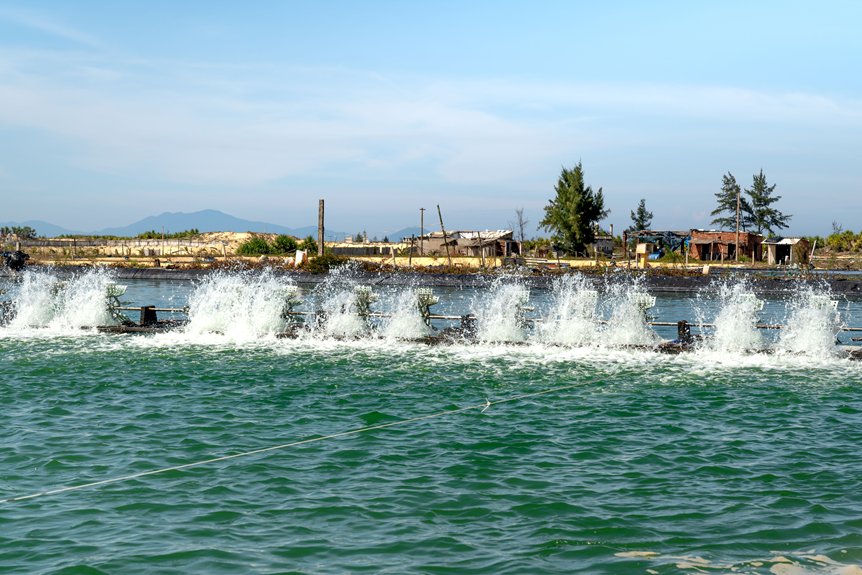
Low dissolved oxygen in lakes and ponds usually results from excess nutrients, algal blooms, warm water, stratification, poor circulation, and decaying organic matter. Dave Shackleton links these pressures to higher biological oxygen demand as algae, plants, microbes, and sediments consume oxygen faster than it is replaced. Fish stress, odors, muck buildup, and cyanobacterial scums often signal imbalance. Understanding these linked processes helps explain why oxygen crashes occur and what conditions deserve closer attention next. Why Low Dissolved Oxygen Stresses Ponds and Lakes When dissolved oxygen falls below the biological needs of an aquatic community, a lake or pond shifts from a

Read More »

Dave Shackleton Explains the Science Behind Healthy Lake Ecosystems

Dave Shackleton explains that healthy lake ecosystems rely on balanced water chemistry, stable habitats, moderate nutrient levels, and resilient biological communities. Temperature, oxygen, pH, clarity, and contaminants shape survival conditions for fish, invertebrates, plants, and microbes. Nitrogen and phosphorus support productivity, but excess fuels algal blooms and oxygen stress. Aquatic plants, wetlands, predators, and benthic organisms regulate energy flow and nutrient cycling. Strong monitoring and community controls reveal how lake stability can be protected over time. What Makes a Lake Ecosystem Healthy? Although lakes vary widely in size, depth, chemistry, and climate, a healthy lake ecosystem is generally defined by balanced

Read More »

What Really Causes Algae Blooms? Dave Shackleton Explains

Algae blooms occur when algae or cyanobacteria multiply rapidly under favorable ecological conditions. Dave Shackleton explains that the main drivers are excess nutrients, especially nitrogen and phosphorus, combined with warm temperatures and limited water movement. Runoff from farms, lawns, wastewater, and eroded soils delivers nutrients that remove growth limits. Heat speeds metabolism, while stagnant water concentrates cells near the surface. Some blooms deplete oxygen or release toxins, making the causes important to understand further. What Are Algae Blooms, Really? An algae bloom occurs when algae or cyanobacteria multiply rapidly enough to noticeably increase their concentration in a water body. This shift

Read More »