blog
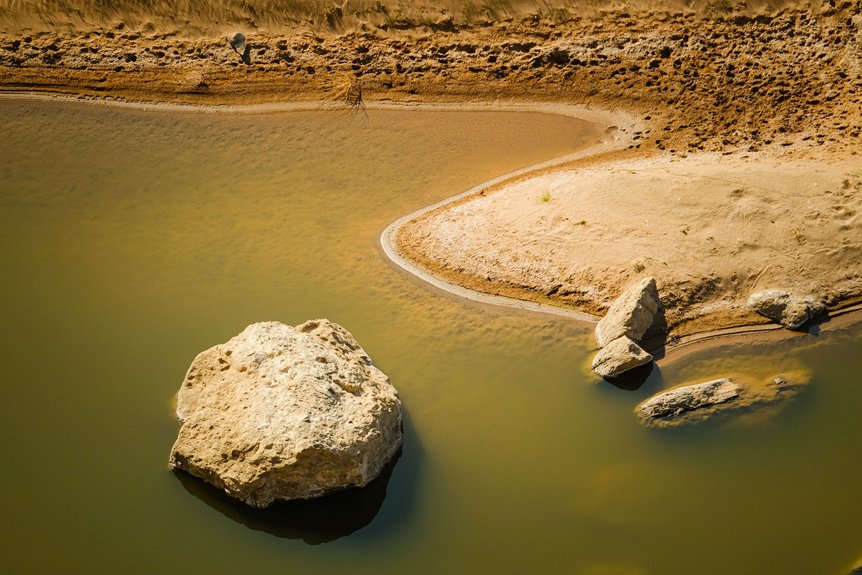
Pennsylvania Lake Sediment Management: Why Muck Keeps Coming Back
Uncover why Pennsylvania lake muck keeps returning after costly dredging and what hidden forces may be quietly undoing your restoration efforts.

Uncover why Pennsylvania lake muck keeps returning after costly dredging and what hidden forces may be quietly undoing your restoration efforts.
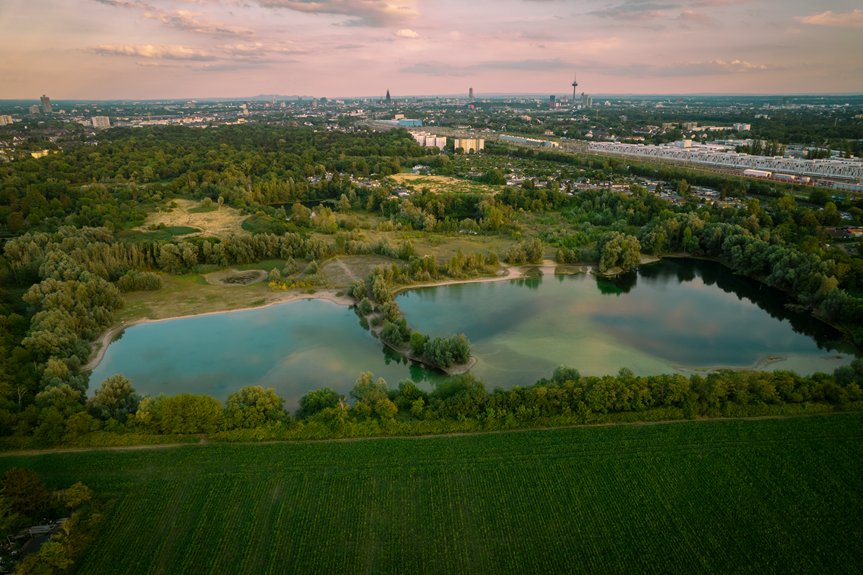
In Pennsylvania ponds and lakes, learn how to diagnose and stop stubborn odors using simple tests and practical fixes that most owners overlook.
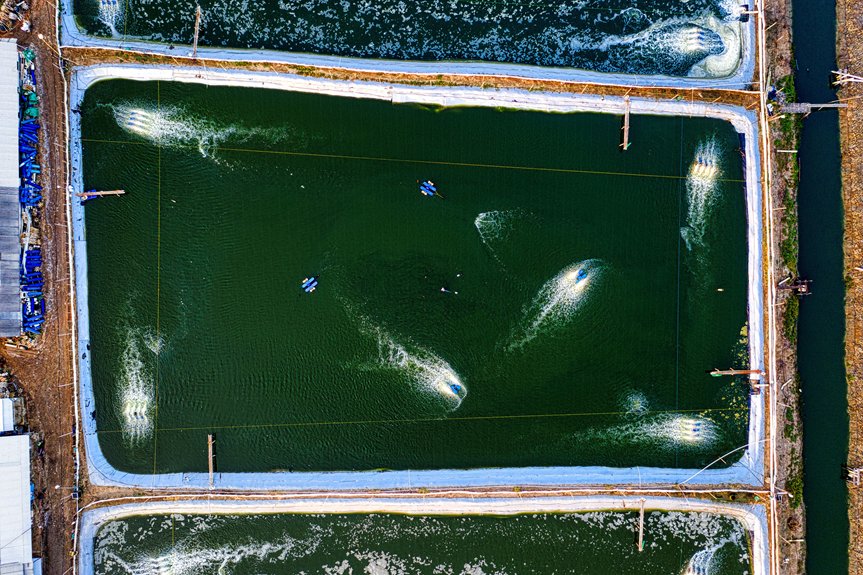
Nurture healthier Pennsylvania ponds by discovering how beneficial bacteria quietly control nutrients, reduce algae, and transform water quality—yet one crucial timing secret often gets overlooked.
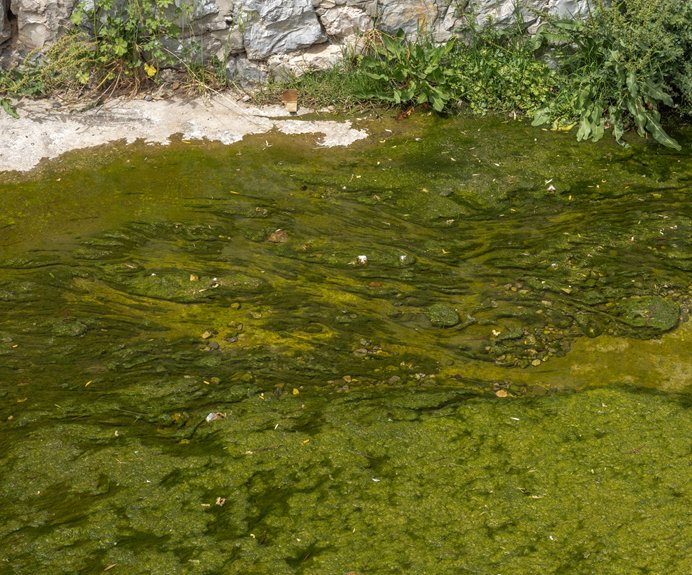
Algae die-offs in Pennsylvania ponds can secretly worsen water quality, fueling oxygen crashes, murky water, and recurring blooms that pond owners rarely see coming.
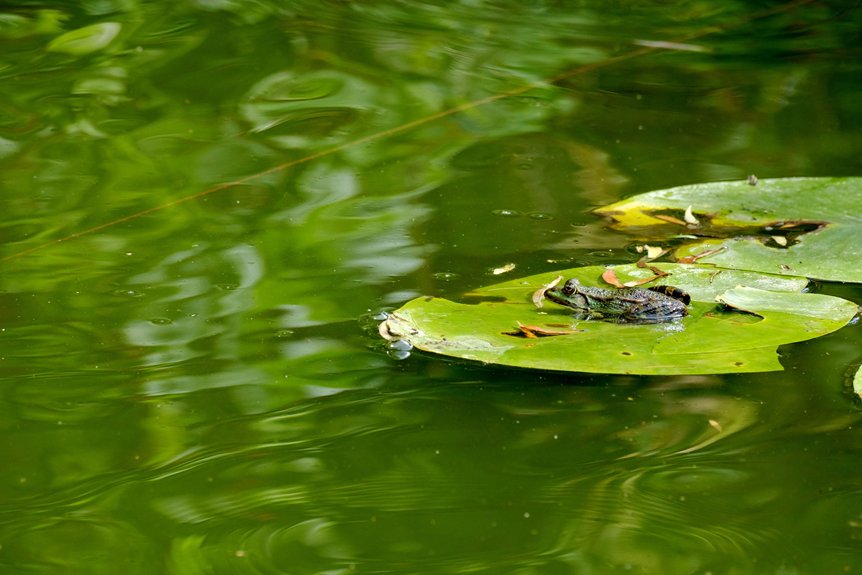
Pennsylvania pond owners relying on algaecides alone may be unknowingly worsening long-term water quality problems, and the real solution starts where they seldom look.
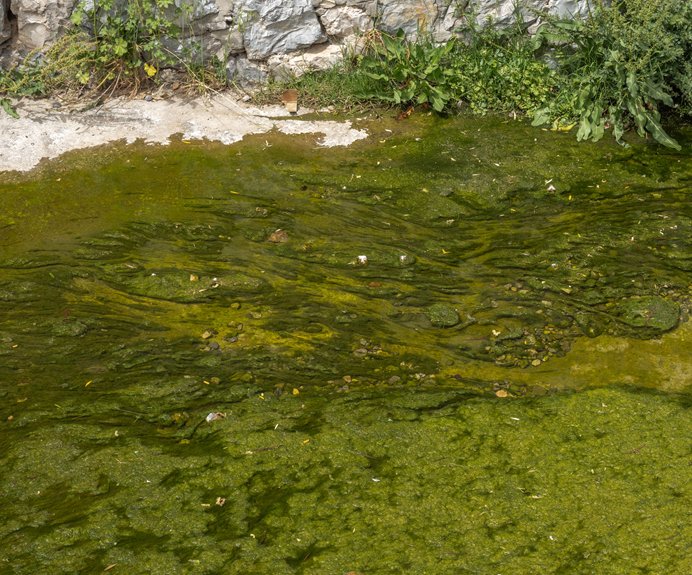
Tackle Pennsylvania pond algae by comparing fast‑acting chemicals with long‑term biological solutions—discover which control strategy truly keeps your water clear and balanced.
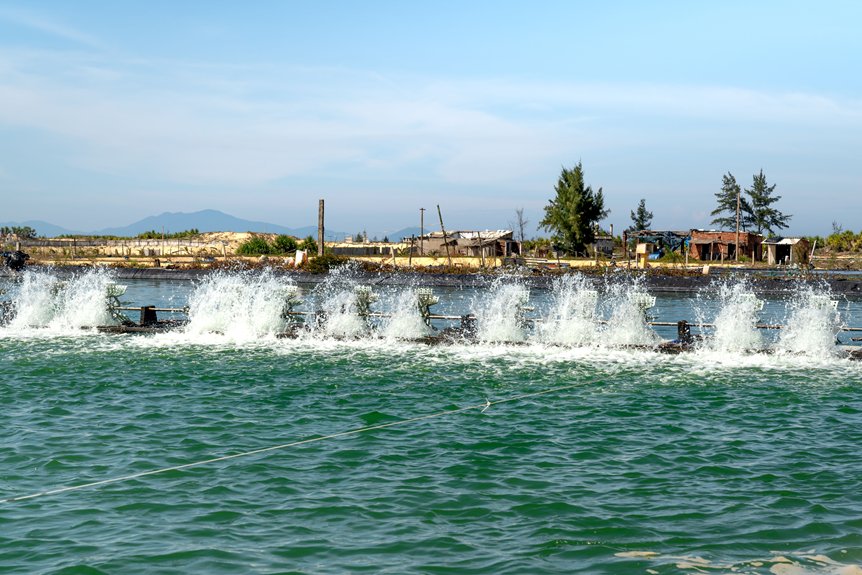
Discover the subtle warning signs your Pennsylvania lake is sending that it may urgently need aeration before hidden damage becomes harder and more expensive to fix.

Just when you think your lake is compliant, this Pennsylvania checklist for property managers reveals hidden risks that could drastically change your management strategy.
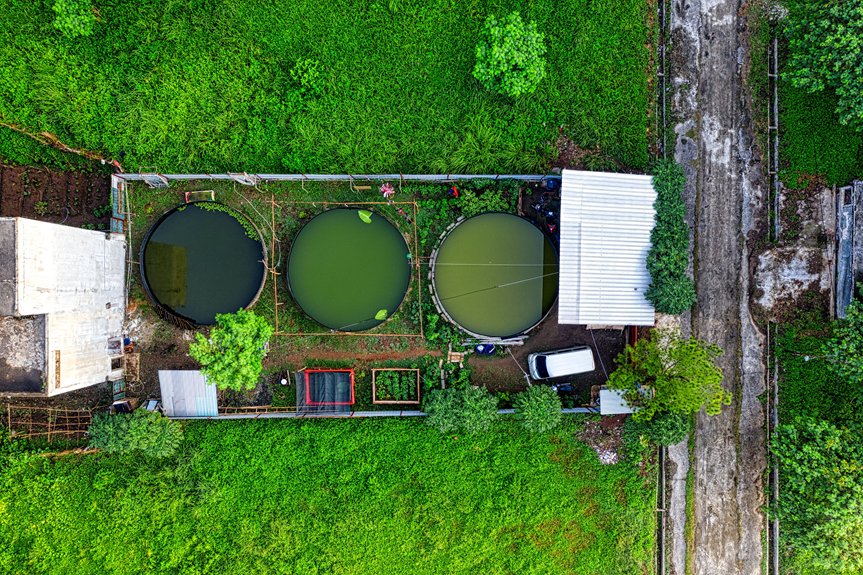
Journey through best practices for managing large Pennsylvania development ponds—stormwater, habitat, compliance, and long‑term performance—then discover the one strategy most owners overlook.
Boost your Pennsylvania stormwater pond’s health by tackling algae, muck, and odors within Chapter 102 and NPDES rules—but most owners overlook one critical step.