Toa Vaca reservoir in Puerto Rico is 836 acres in surface area and over 51m deep when full. Toa Vaca was built in 1972 with a life expectancy of three hundred years. By 1985 its capacity had been reduced by 13.5% due to the build-up in sediment reducing the effective volume of the reservoir.
In 1985, the lake showed the very first serious symptoms of worsening on the quality of the water available for treatment due to eutrophication and by 2009, due to the eutrophication process, it was only possible to use water from 2 of the 6 gates.
This was because water drawn from deeper gates was untreatable due to the high levels of manganese and contaminants causing foul tastes and odors such as geosmins and hydrogen sulfide.
However, drawing water from the upper levels also presented problems because algae levels were so high that they caused clogging of filters and the need to use high levels of flocculants and chlorine in the purification process which generated excessive levels of TTHMs, a carcinogenic by-product of chlorination.
By 2012 high levels of manganese and hydrogen sulfide in the water were creating taste and odor problems with the potable water produced by the purification plant. Furthermore, there were problems with high levels of toxic cyanobacteria in the upper levels of the water column. It was becoming increasingly difficult to produce potable water from the reservoir that was compliant with regulated standards and the future prognosis for the reservoir was poor.
Fish kills had become so common that recreational fisherman had abandoned the reservoir. So too had birds of prey, down to a solitary pair of fish eagles and just five pelicans.
2.1 Scientific Principles
Hypoxia occurs when dissolved oxygen levels in the water are depleted. The EPA defines hypoxia as DO levels below 2.5mg/l. Water is anaerobic if DO is below 1mg/l. The objective is to maintain aerobic conditions that support animal life which is defined as DO above 5mg/l.
2.2 Analysis of Dissolved Oxygen Data
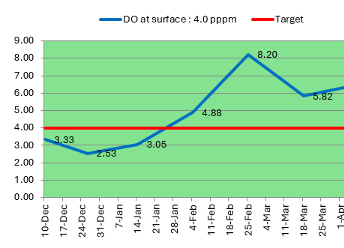
The target set was to achieve a dissolved oxygen (DO) level of at least 4mg/l at the surface. This was achieved within approximately a month and maintained thereafter.
The target was also achieved and maintained at 70 feet or 21m depth within the first 3 months of operation.
Figure 1 DO at the surface now exceeds target
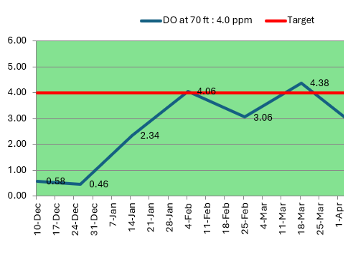
Figure 2 DO at 70 feet exceeds target of 4 ml/g
This ability to rapidly de-stratify and oxygenate the water column of a large deep body of water such as this is what distinguishes our Rapid Acting Dissolved Oxygen Remediation system (RADOR) technology from conventional aeration and oxygenation.
Establishing adequate dissolved oxygen levels is a critical prerequisite to being able to address the other problems being encountered such as high levels of dissolved nutrients, and manganese and taste and odor issues.
3.1 Scientific Principles
Nutrients like total phosporous and total nitrogen will stockpile in low oxygenated water. Excessive levels of metals such as iron and manganese are common problems in reservoirs where oxygen levels are depleted. At Toa Vaca, total phosporous, total nitrogen and manganese were all an issue.
3.2 Lower Nutrients and Metals Provide Better Source Water and is Less Expensive to Process
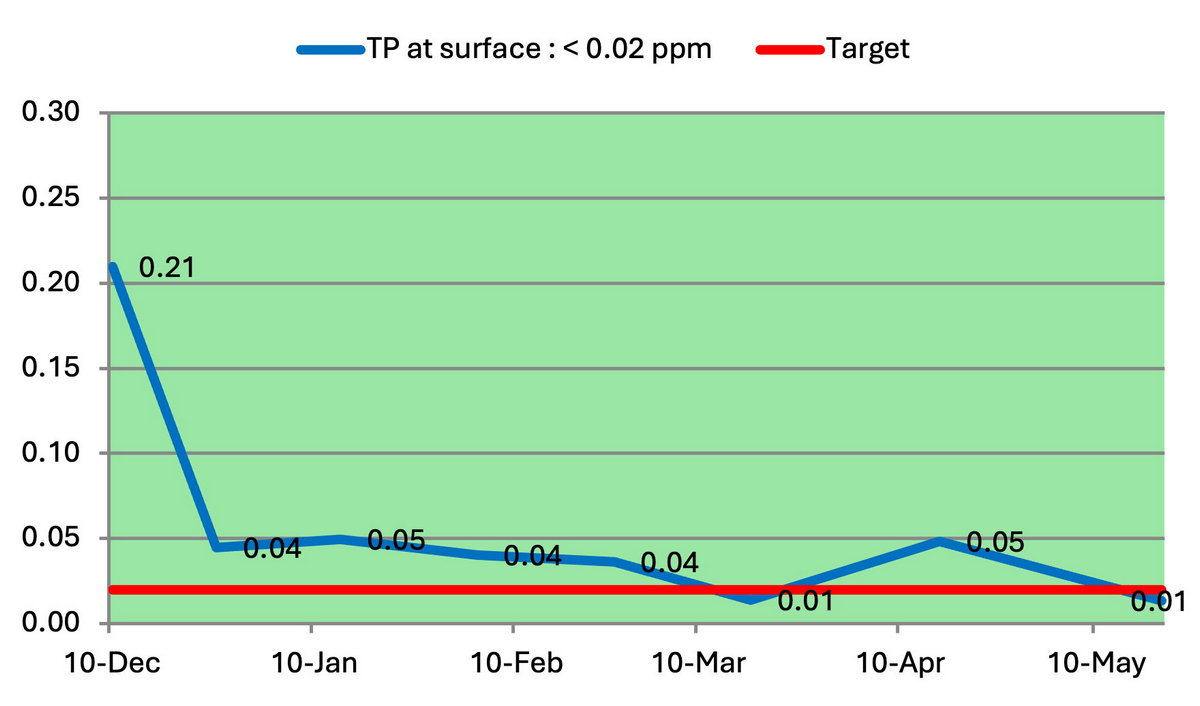
The target set was to achieve a total phosphorus (TP) level of no more than 0.02mg/l at the surface. A 75% reduction was achieved within the first two weeks and the target limit was achieved after 3 months.
The target was also achieved and maintained at 70 feet or 21m depth within the first three months of operation.
Figure 1 Total Phosporous at Surface Exceeds target
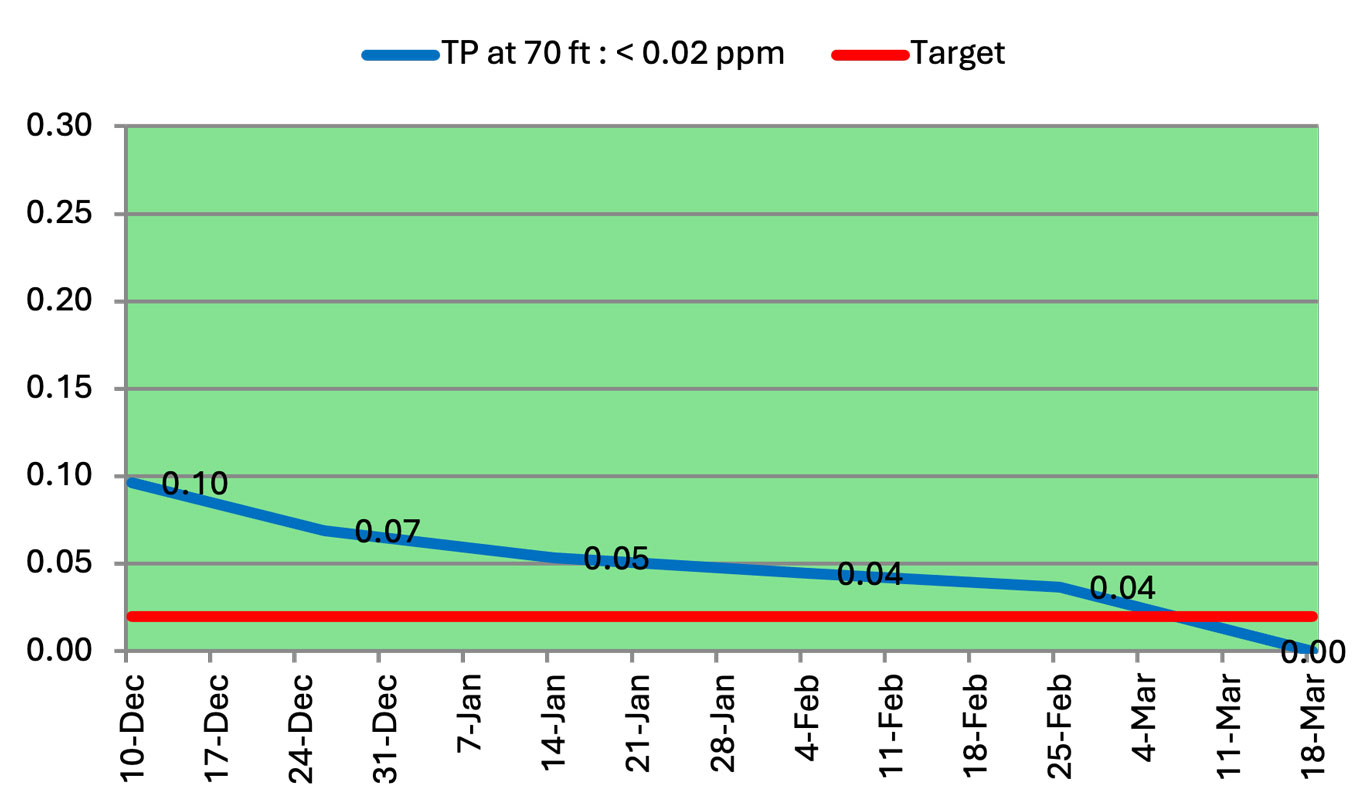
Figure 2 Total Phosporous at 70 ft. better than target
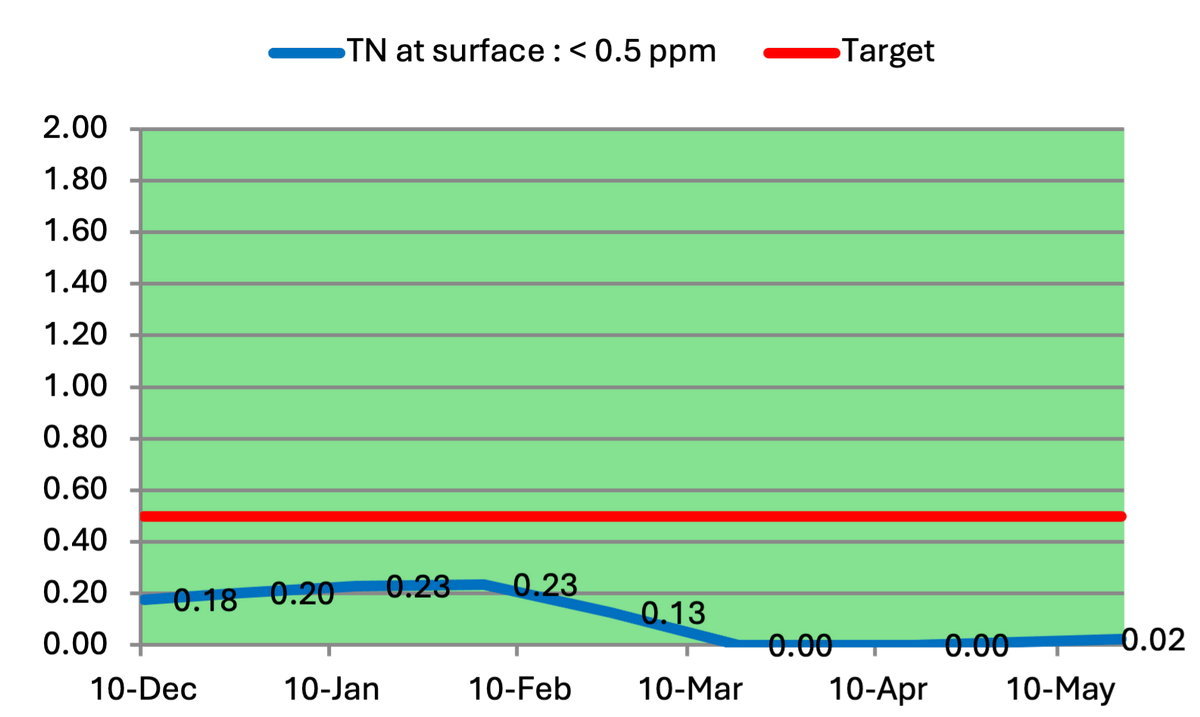
The target set was to achieve a total nitrogen (TN) level of no more than 0.05mg/l. This was already the case at the surface. At a depth of 70 feet or 21m TN was rapidly brought under the target level and maintained there apart from one short period in February 2013.
Figure 3 Minimal Total Nitrogen concerns at surface
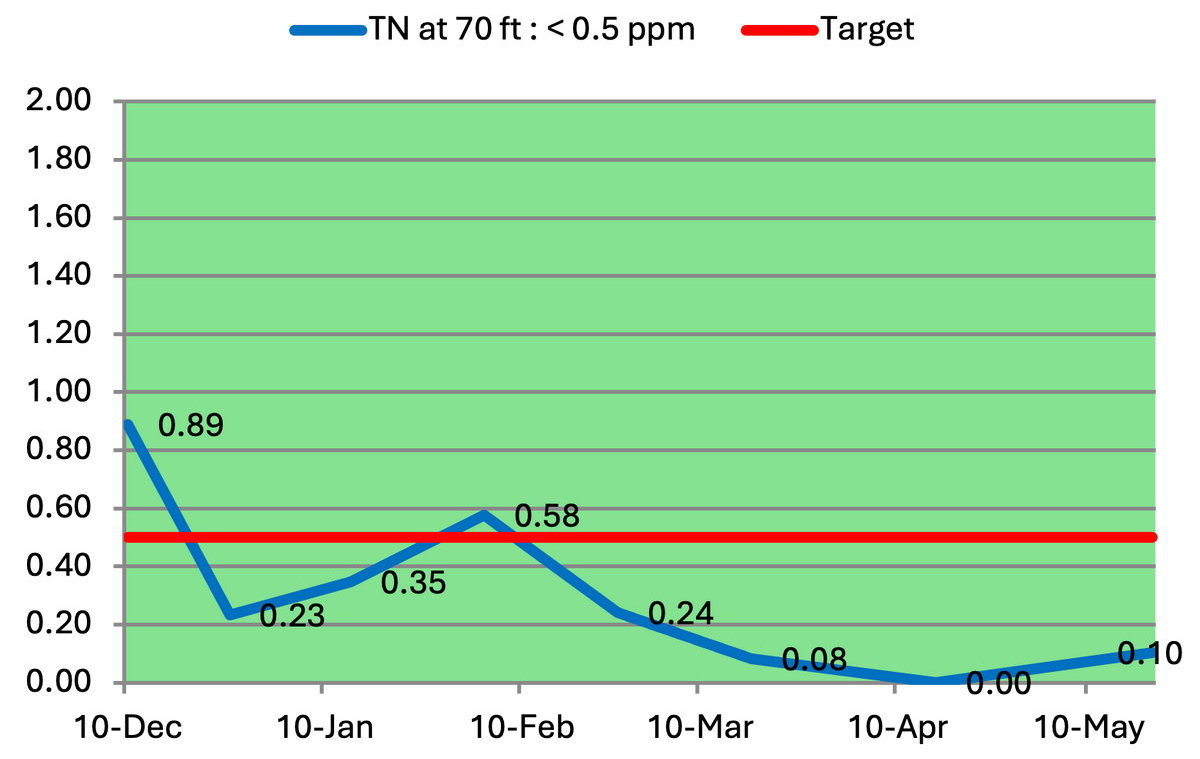
Figure 4 Total Nitrogen brought under control at depth
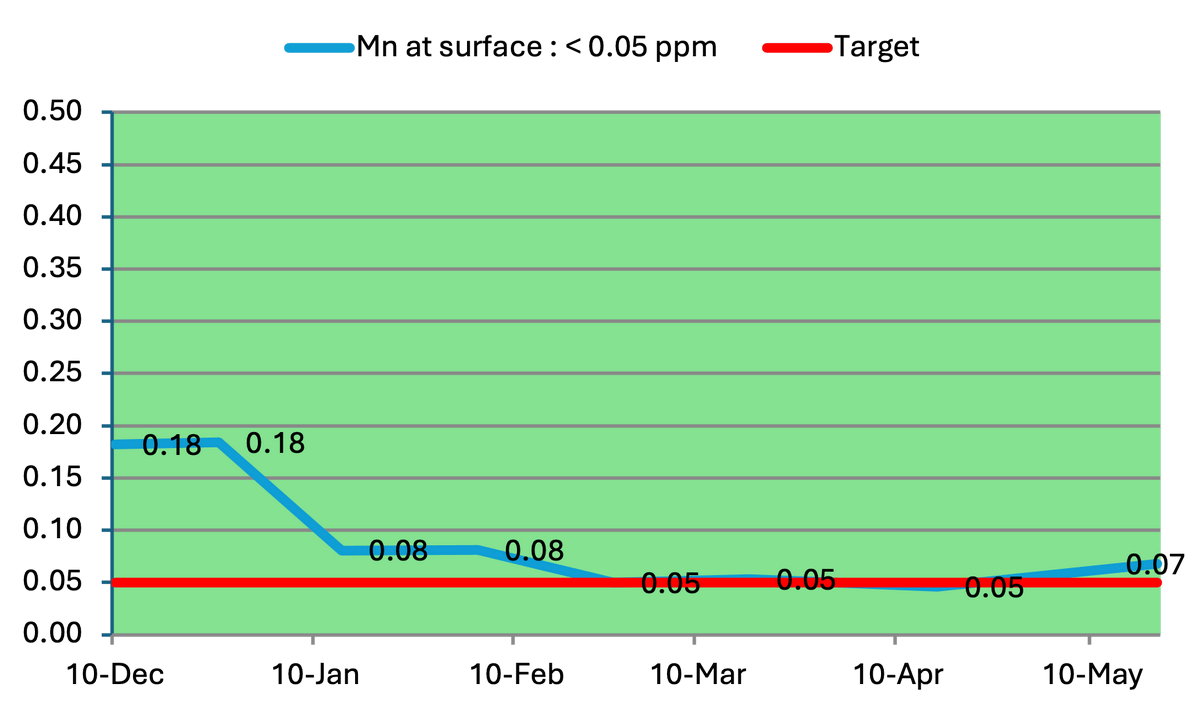
Excessive levels of metals such as iron and manganese are a common problem in reservoirs where dissolved oxygen levels are depleted. At Toa Vaca the problem was high manganese concentrations.
The target set was to achieve a manganese level (Mn) level of no more than 0.05mg/l.
This was achieved and maintained after approximately 2 months of operation. Initial manganese levels were higher at depth due to the deoxygenation of the water column, but the target was also achieved and maintained at 70 feet or 21m depth within the first three months of operation.
Figure 5 Minimal Total Manganese concerns at surface
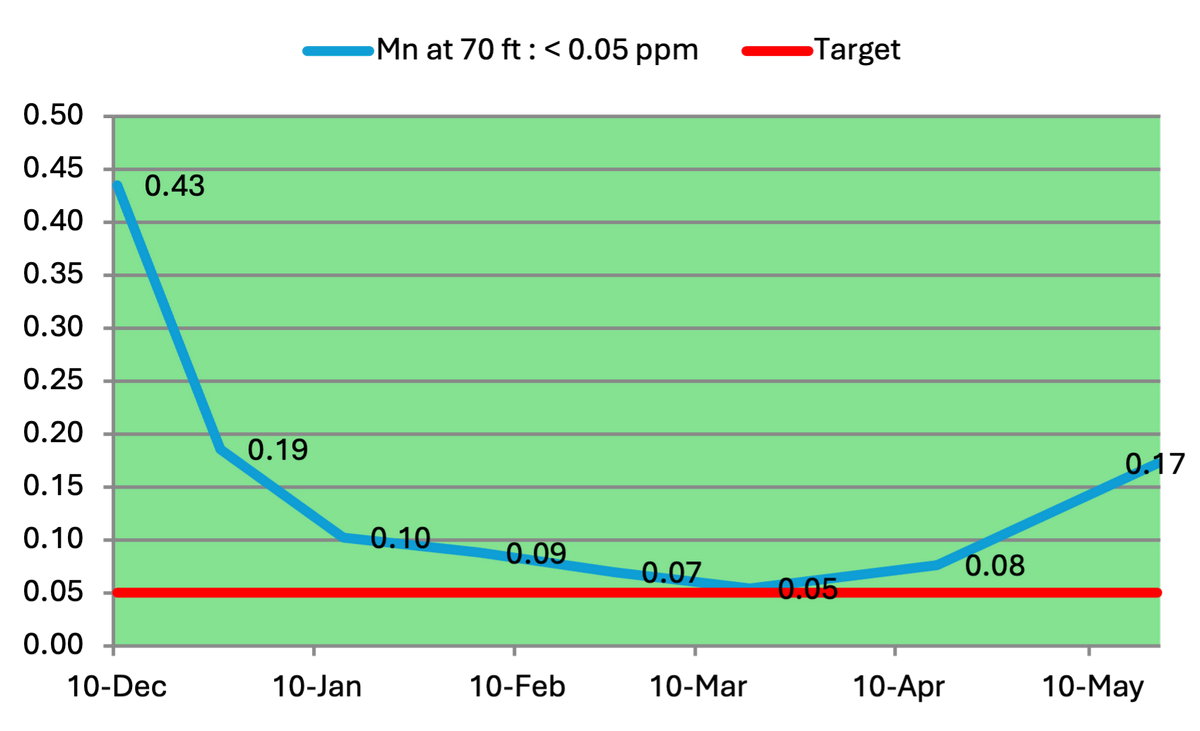
Figure 6 Total Manganese brought under control at depth
4.1 Scientific Principles
Excessive levels of contaminants and algae require increased levels of chemical treatments in order to remove these to provide potable water. Reducing the chemicals required lowers costs and possible residual effects of using these chemicals in drinking water.
4.2 Cost Savings
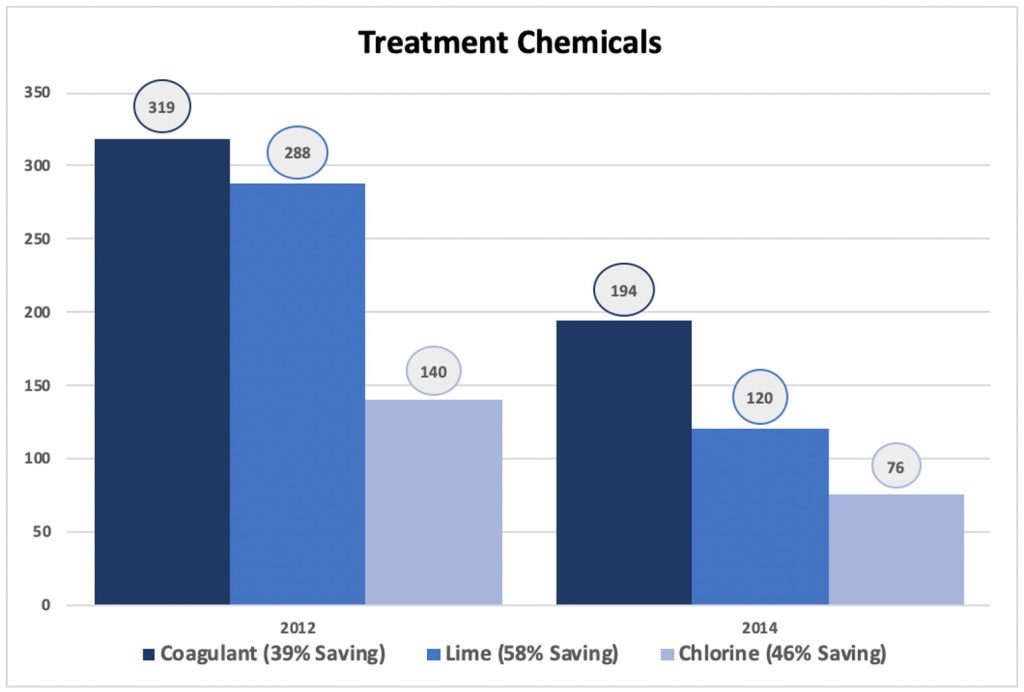
The graph below shows the quantity of treatment chemicals used in 2012 before commissioning the SIS.bio solution, and in 2014 after one full year of operation in 2013.
The improvements in water quality resulted in a reduction of around 50% in the quantity of treatment chemicals used.
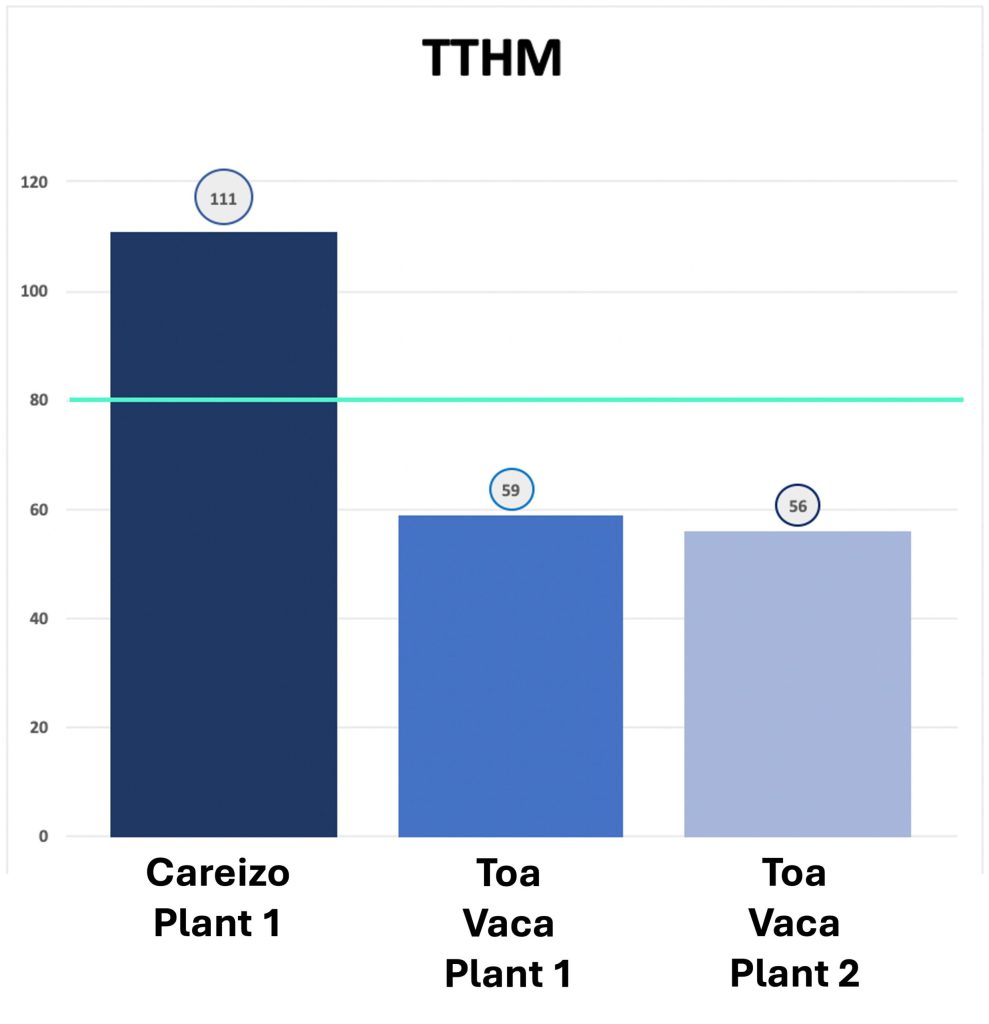
Tri-Halo Methanes (or THMs) are a carcinogenic by-product of chlorination. Total THMs or TTHM should not exceed 80µg/l (the light green line in the diagram). The two lighter blue columns show the average level of TTHMs at two water purification plants on Toa Vaca reservoir in 2014. For the first time in many years these plants were compliant for TTHMs.
The dark blue column shows the level of TTHMs at another water purification plant on a nearby reservoir not yet benefitting from SIS.BIO’s solutions.
4.3 Impact on Recreation & Wildlife
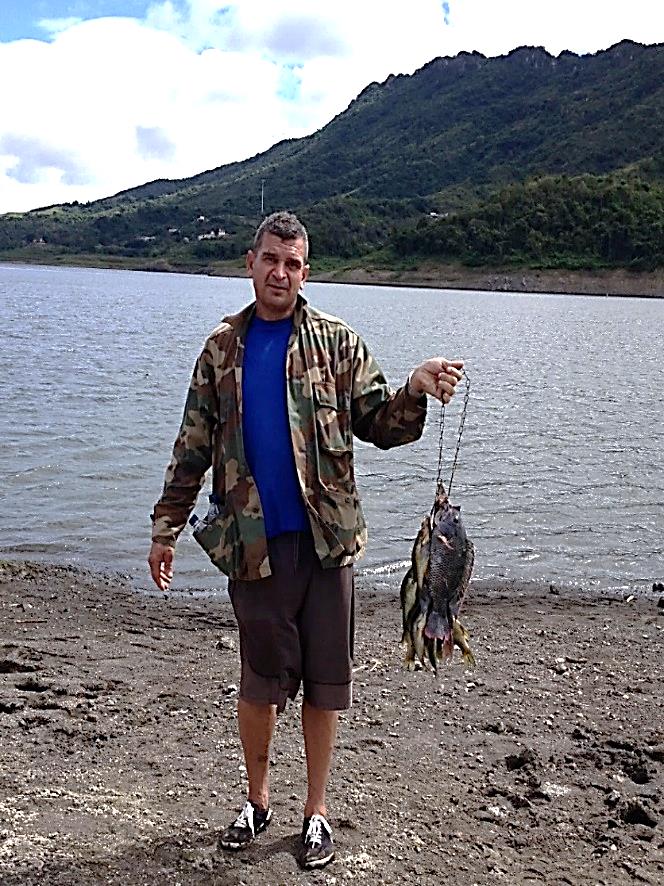
The deterioration of water quality in Toa Vaca reservoir had resulted in frequent fish kills and a significant reduction in the fish-life in the dam. This resulted in a dramatic reduction in birds of prey; there was just a single remaining pair of fish eagles and only 5 pelicans remaining. Fishermen had abandoned Toa Vaca as a site for recreational fishing.
Two years later there were 5 pairs of fish eagles and 28 pelicans at Toa Vaca, and the fishermen had returned too.
SIS.BIO’s ONE Biotechnology™ has been delivering to the recommendations of the 2022 GAO Report for many years. It is based on directly addressing root causes rather than second order symptoms.
That means that the parameters we monitor differ from convention. Rather than monitoring general water quality parameters, we specifically focus on measurement of:
This protocol not only speaks directly and specifically to the root causes of eutrophication and HABs, it measures parameters that we can influence and control and provides relevant input for adaptive management, program optimization, and performance measurement towards the achievement of specific remediation objectives.
ONE Biotechnology™ does not provide the instant gratification that symptomatic treatments such as herbicides and algaecides do. But it is wise investment that delivers sustainable, on-going remediation and restoration of natural biological function while delivering to the GAO’s recommendations.
Automated page speed optimizations for fast site performance