What is Nutrient Recycling?

Sediment accumulates when dead leaves, algae and weed biomass sinks to the bottom and decomposes, depleting oxygen from the bottom of the water column, creating hypoxic conditions.

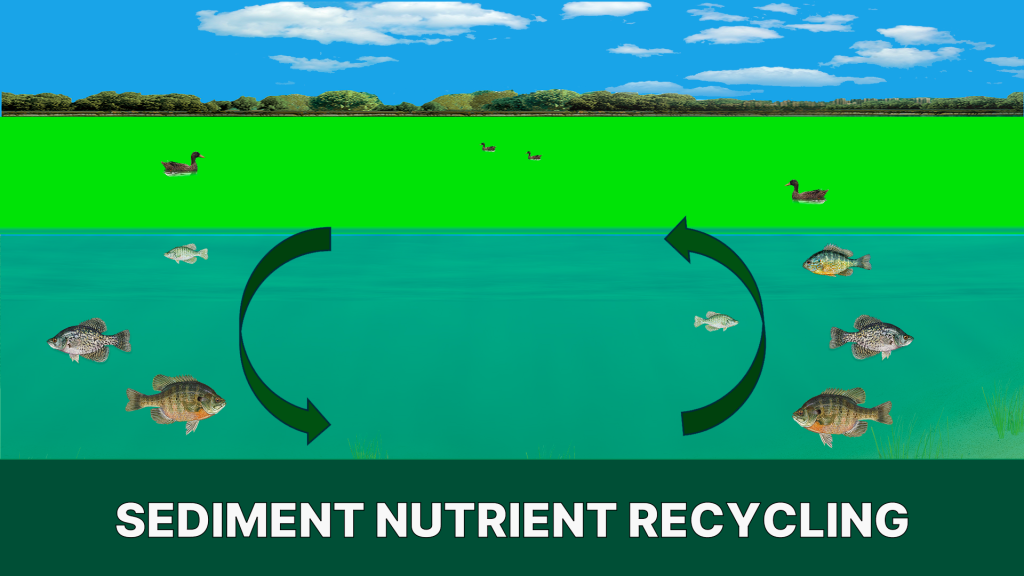
In hypoxic water, nutrient recycling rates and concentrations are elevated, setting up a vicious circle of feedback that fuels more algae and weed growth.
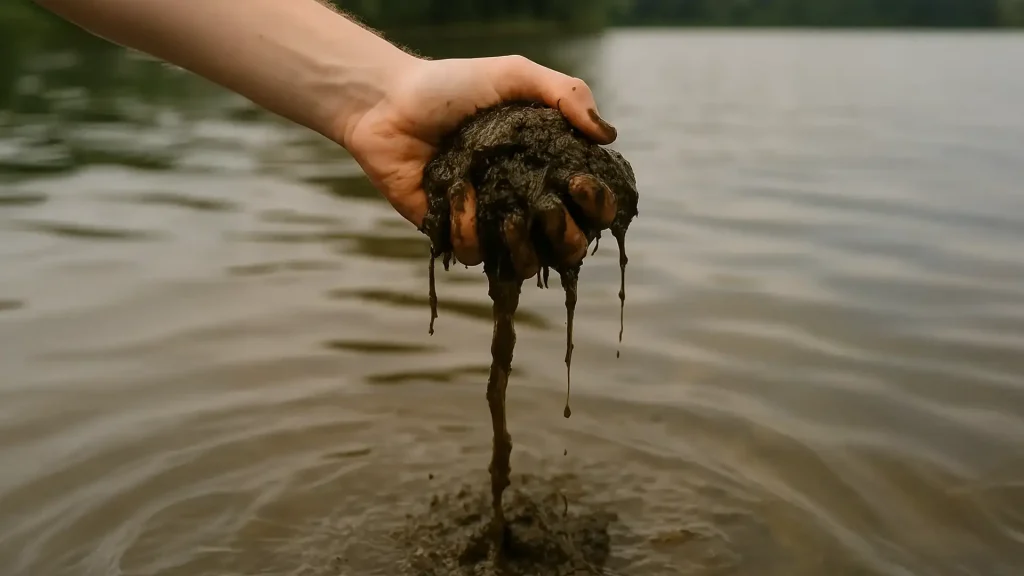
Why does Sediment Nutrient Recycling Matter?

Sediment nutrient recycling becomes a self-sustaining nutrient supply for algae and invasive weed growth, and decomposing biomass sustains hypoxia.

That means it drives a shift in a water body’s core behavior from nutrient clearance and maintenance of water quality to nutrient recycling, eutrophication, and degradation of water quality.
How Do You Measure Sediment Nutrient Recycling?

And the way these root causes interact to degrade your lake and lead to toxic cyanobacterial HABs

Bathymetry

Phytoplankton Data

What is Disruption of Phytoplankton Balance?

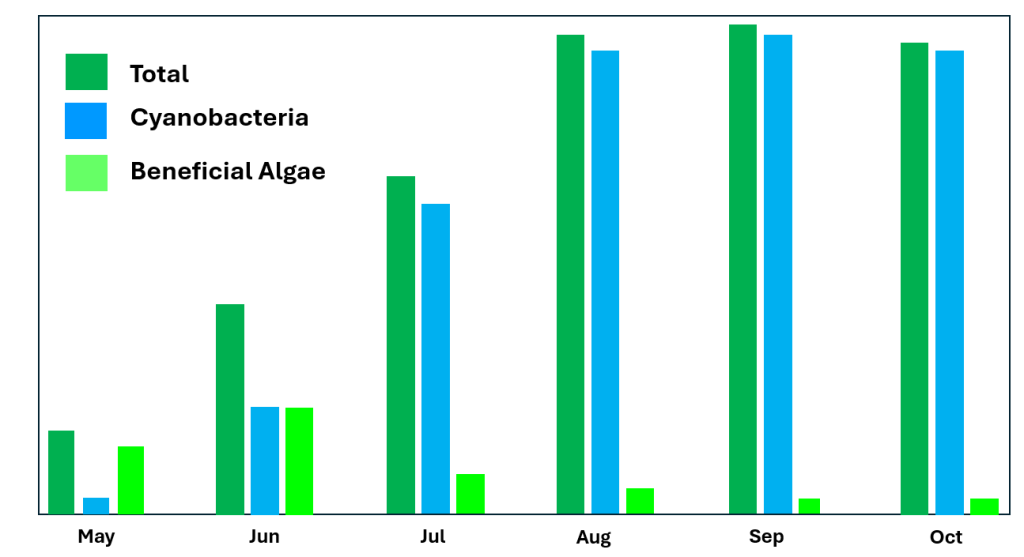
All phytoplankton are not the same - the balance of these microscopic species will tip your lake toward healthy water or toxic blooms.

See how disruption of phytoplankton balance turns a healthy food web into a HAB‑prone system - so you know what has to change, not just what to kill.