
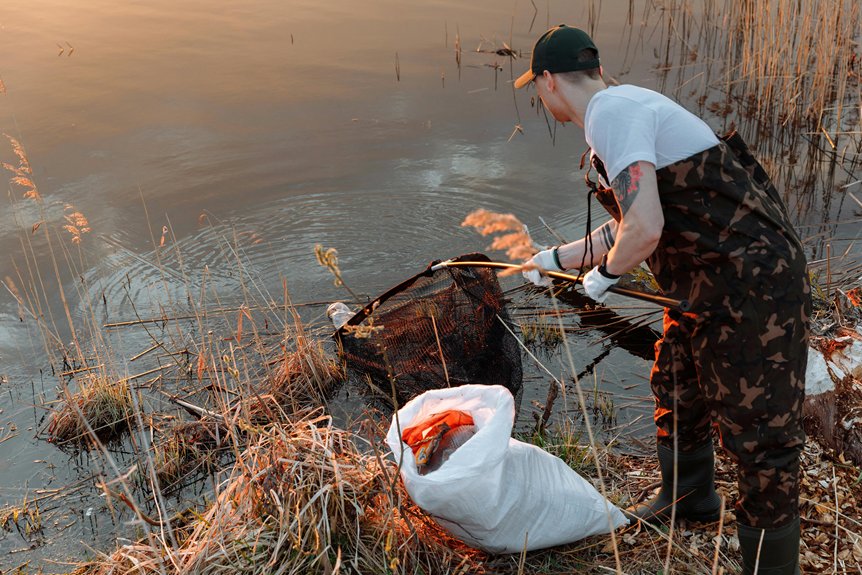
Lake restoration services for HOAs in The Villages, FL protect stormwater function, water quality, and property values. Providers address algal blooms, invasive weeds, shoreline erosion, and sediment buildup with monitoring, targeted treatments, and habitat-based controls. Data-driven testing guides nutrient reduction, aeration, and shoreline stabilization while aligning with SWFWMD, FDEP, and NPDES requirements. Experienced firms design long-term, budget-conscious plans that cut chemical reliance, support fish communities, and strengthen infrastructure, with additional details clarifying best choices and strategies.
In The Villages, proactive lake restoration is essential for homeowners’ associations because these waterbodies function as engineered stormwater systems, aesthetic amenities, and ecological assets subject to regulatory oversight. Targeted interventions sustain hydraulic capacity, protect downstream infrastructure, and help HOAs demonstrate compliance with evolving state and federal standards. Strategic restoration improves water quality by reducing nutrient loading, stabilizing shorelines, and optimizing circulation, thereby lowering the risk of regulatory violations and costly emergency responses. It also enhances fish habitat through littoral shelf design, native planting, and oxygenation technologies that support balanced food webs. For innovation‑minded boards, data‑driven monitoring, biological controls, and advanced aeration systems create resilient lakes that elevate property values, support recreation, and align with long‑term community sustainability objectives. By incorporating comprehensive treatments that address algae, invasive weeds, and sediment buildup, HOAs can protect lake health while controlling long‑term management costs.
Across The Villages, HOA lakes frequently exhibit recurring issues such as chronic algal blooms, invasive aquatic vegetation, shoreline erosion, and sediment accumulation that diminish both function and aesthetics. Nutrient-rich stormwater runoff accelerates eutrophication, overwhelming conventional Algae control strategies and triggering cyanobacteria events that raise public health and regulatory concerns.
Dense weed growth and organic muck reduce storage capacity, impair irrigation reliability, and degrade habitat balance.
Mosquitofish and sport Fish stocking programs often become ineffective when dissolved oxygen plummets due to stratification or heavy organic loading.
Unstable shorelines, exacerbated by fluctuating water levels and wake energy, contribute to turbidity and continuous infilling.
Aging infrastructure, fragmented management plans, and inconsistent monitoring further compound these problems, driving up long-term maintenance and compliance costs.
Rather than relying on isolated treatments, effective lake restoration services for HOAs in The Villages, FL integrate diagnostic assessment, engineered interventions, and ongoing performance monitoring to address root causes of impairment. Core programs begin with high-frequency water quality testing for nutrients, dissolved oxygen, chlorophyll-a, and clarity, using those datasets to model trophic status and predict algal response to seasonal loading.
Effective lake restoration integrates diagnostics, engineering, and monitoring to tackle root causes—not just visible symptoms.
Aquatic plant management then shifts from reactive spraying to selective, habitat-supportive control using herbicide rotation, littoral zone planting, and mechanical removal where appropriate.
Sediment profiling and bathymetric mapping guide alum dosing, dredging prioritization, and shoreline stabilization with bioengineered armoring.
Aeration and circulation systems are custom-designed to optimize mixing efficiency and comply with state and local regulatory constraints while supporting long-term ecological resilience.
Although many vendors advertise basic pond care, selecting a true lake management partner for an HOA in The Villages, FL requires a structured evaluation of technical capability, regulatory proficiency, and long-term asset stewardship.
Boards should prioritize firms with limnological expertise, demonstrable success in restoring water quality, and experience in Central Florida’s karst-driven hydrology.
Qualified partners provide data-driven assessments, continuous monitoring, and clear reporting dashboards. They understand permitting with the Southwest Florida Water Management District and compliance with NPDES, herbicide labeling, and endangered species protections.
Vendors should also document how proposed technologies—circulators, biological treatments, shoreline stabilization systems—protect wildlife habitat while reducing nutrient loads and algal risk.
References, certifications, and sample management plans help confirm their ability to deliver resilient, future-ready lake ecosystems.
Once an HOA in The Villages, FL has selected a qualified lake management partner, the next priority is establishing a long-term maintenance plan with aligned budgeting. The plan typically defines inspection frequencies, water quality benchmarks, vegetative management protocols, erosion controls, and asset life cycles for aeration, fountains, and littoral shelves.
Cost-effective strategies rely on data-driven scheduling—using water quality monitoring, remote sensing, and seasonal modeling to target treatments and reduce chemical use. Multi-year budgeting should segment costs into baseline operations, capital reserves, and contingencies for storms or algal outbreaks.
Regulatory compliance with SWFWMD, FDEP, NPDES, and local ordinances must be embedded in the plan, including documentation, reporting, and adaptive management to meet evolving nutrient criteria and stormwater performance standards.
Lake restoration projects typically increase property values by improving water quality, restoring ecological balance, and enhancing amenity appeal, while also reducing regulatory risk and long‑term maintenance costs, thereby attracting innovation-minded buyers and strengthening overall community asset performance.
Yes. The Villages imposes specific Village ordinances and permitting regulations layered over county and state water‑management rules, requiring HOAs to address stormwater design, littoral zones, nutrient management, and construction methods through coordinated, innovation‑friendly compliance planning and documentation.
Residents stay informed through coincident, layered communication strategies: HOA portals, GIS-enabled project dashboards, opt‑in SMS alerts, quarterly technical briefings, and regulatory notice summaries, all designed to maximize community engagement, transparency, and real‑time visibility into restoration milestones and schedule adjustments.
Individual homeowners advance successful lake restoration through Homeowner involvement in runoff reduction, shoreline stewardship, and nutrient management, plus Community advocacy for science-based policies, data-sharing, regulatory compliance, innovative green infrastructure, and long-term funding aligned with adaptive management and monitoring benchmarks.
Yes; timing is everything. Seasonal weather, hurricane windows, and fish spawning periods dictate restoration schedules, requiring hydrologic modeling, wildlife-agency coordination, and adaptive project phasing to minimize ecological disruption while maximizing innovative in‑lake treatments and shoreline stabilization efficiency.
When an HOA in The Villages commits to lake restoration, it safeguards more than a shoreline; it secures a regulated, high‑performing aquatic system. Algae‑choked coves become clear inlets, compliant with nutrient thresholds; eroding banks transform into stabilized, vegetated buffers. With data‑driven monitoring, structured budgets, and a qualified lake management partner like Clean Flo, each rippling reflection on the water’s surface becomes proof that aesthetics, ecology, and regulatory obligations can be aligned for the long term. For more information on how Clean Flo can improve the health of your lake or pond, visit us online at Clean Flo. You can also check out our video series on YouTube channel.