Skip to content
  • Simplify the science
    • What is Eutrophication?
    • What is Hypoxia?
    • What is Nutrient Recycling?
    • What is disruption of Phytoplankton Balance?
    • How do you eliminate Hypoxia?
    • What Is Bio-Dredging?
    • What is Bio-Augmentation?
    • How do you Measure Oxygenation?
    • How do You Measure Bio-Dredging
    • How do you measure Phytoplankton Balance?
    • Top Ten Questions The GAO Answered
  • Proof of Performance
    • Indian Lake Case Study
    • Roland Lake Case Study
    • TOA VACA Case Study
    • Oxygenation
    • Bio-Dredging & Muck Reduction
    • Aquatic Weed Control
    • Excessive Algae Growth
    • Excessive Coliform Bacteria
    • Fish Kills
    • Toxic Cyanobacteria/HABs
  • About us
  • Contact
  • Shop
    • Pond Treatment products
    • Maintenance & Repair products
    • Returns Refund Policy
  • News
Facebook-f Linkedin X-twitter Phone-alt Youtube
  • Water Management Professionals
    • Wastewater Treatment
    • River Remediation
    • Lake Restoration
    • Hydroelectric Dams
    • Drinking Water Reservoir Management
    • Aquaculture
    • Oil & Gas
  • Saving The Lake Lifestyle
    • The Lake Management ACTION Plan
    • Measure What Matters
    • Your Lake – Your Move
  • DIY Pond Management
$0.00 0 Cart
Schedule A Consultation
Facebook-f Linkedin X-twitter Phone-alt Youtube
$0.00 0 Cart
Schedule A Consultation
  • Home
  • Water Management Professionals
    • Wastewater Treatment
    • River Remediation
    • Lake Restoration
    • Hydroelectric Dams
    • Drinking Water Reservoir Management
    • AQUACULTURE
    • OIL & GAS
  • Saving The Lake Lifestyle
    • The Lake Management ACTION Plan
    • Measure What Matters
    • Your Lake – Your Move
  • DIY Pond Management
  • Simplify the science
    • What is Eutrophication?
    • What is Hypoxia?
    • What is Nutrient Recycling?
    • What is disruption of Phytoplankton Balance?
    • How do you eliminate Hypoxia?
    • What Is Bio-Dredging?
    • What is Bio-Augmentation?
    • How do You Measure Bio-Dredging
    • How do you Measure Oxygenation?
    • How do you measure Phytoplankton Balance?
    • Top Ten Questions The GAO Answered
  • Proof of Performance
    • INDIAN LAKE CASE STUDY
    • Roland Lake Case Study
    • TOA VACA Case Study
    • Oxygenation
    • Bio-Dredging & Muck Reduction
    • Aquatic Weed Control
    • EXCESSIVE ALGAE GROWTH
    • Excessive Coliform Bacteria
    • FISH KILLS
    • TOXIC CYANOBACTERIA – HABs
  • Shop
    • Pond Treatment products
    • Maintenance & Repair products
  • About us
  • Blog
  • Returns Refund Policy
  • Contact
maintain healthy aquatic ecosystems
blog

How to Prevent Fish Kills in Pennsylvania Lakes and Ponds

Curious how Pennsylvania lake and pond managers can predict and prevent devastating fish kills before they happen? Continue reading to discover the proven strategies they use.

Read More »
July 2, 2026
persistent lake sediment buildup
blog

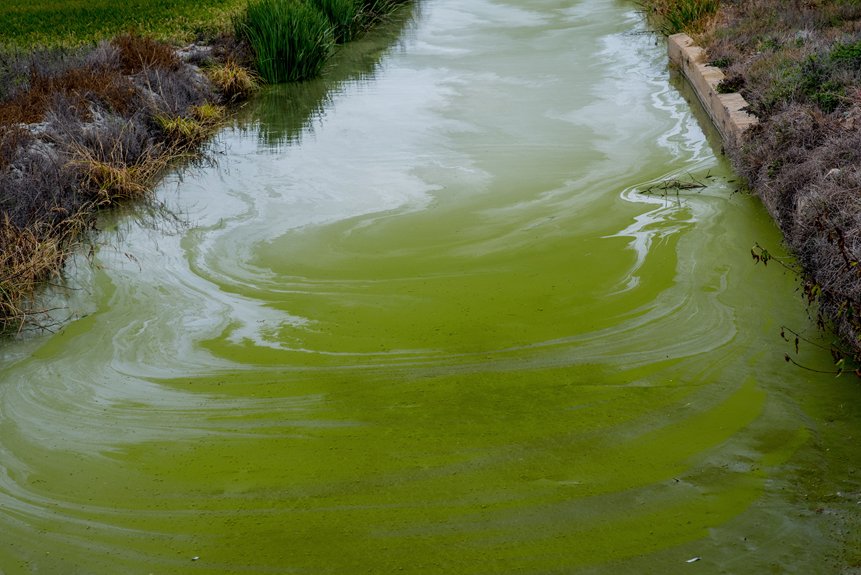
Pennsylvania Lake Sediment Management: Why Muck Keeps Coming Back

Curious why Pennsylvania lakes keep refilling with muck despite dredging and “cleanups”? Continue reading to uncover the hidden sediment sources and lasting management fixes.
Read More »
July 2, 2026
non chemical algae management
blog

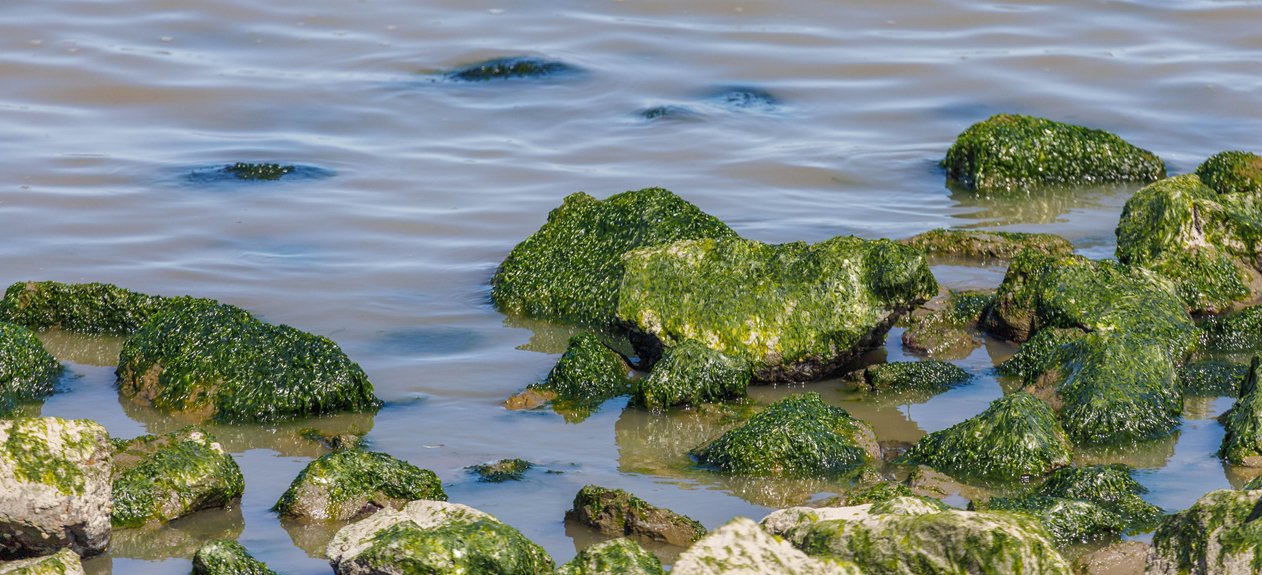
How to Control Algae in Pennsylvania Lakes Without Repeated Chemicals

Learn how Pennsylvania lakes can slash algae 30–60% using nutrient fixes, aeration, and food‑web tweaks—without constant chemicals—but one critical step is often missed.
Read More »
July 2, 2026
lake aeration controls algae
blog

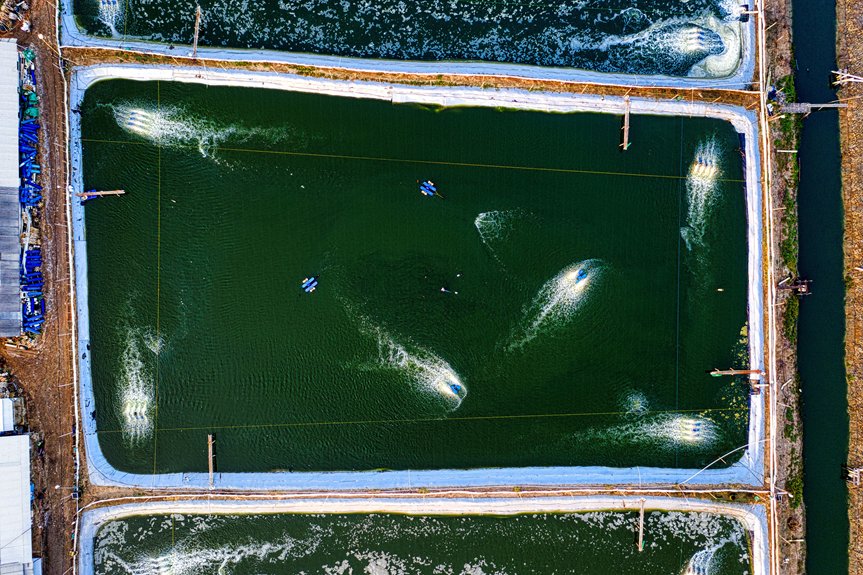
How Lake Aeration Reduces Algae Growth and Odors

Gain a clear understanding of how lake aeration cuts algae growth and stubborn odors while transforming water quality in ways you wouldn’t expect.
Read More »
July 2, 2026
pond management water quality
blog

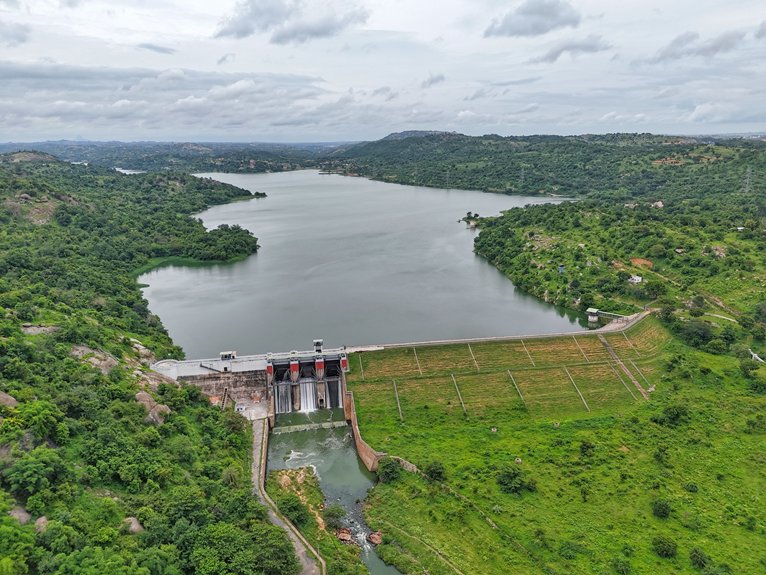
Pennsylvania Pond Management Best Practices for Long-Term Water Quality

Maximize Pennsylvania pond health with proven DEP‑aligned strategies for nutrient control, buffers, and aeration that reveal the long-term key to water quality success.
Read More »
July 2, 2026
lake management for water quality
blog

South Carolina Lake Management Plans That Improve Water Quality

Boost South Carolina lake water quality with data-driven management plans that exceed regulations, cut pollution, and reveal the surprising strategy behind their most successful restorations.

Read More »
July 2, 2026
  • Call now
    800-328-6656
  • Email
    [email protected]
  • 827 Lincoln Avenue, Suite 1
    West Chester, PA 19380

Quick Links

  • About us
  • Water Management Professionals
  • Saving The Lake Lifestyle
  • DIY Pond Management
  • Simplify the science
  • Proof of Performance
  • How Algaecides Cause Toxic HABs
  • Returns Refund Policy
  • FAQs
  • Shop
  • Blogs
  • Educational
  • Contact
  • About us
  • Water Management Professionals
  • Saving The Lake Lifestyle
  • DIY Pond Management
  • Simplify the science
  • Proof of Performance
  • How Algaecides Cause Toxic HABs
  • Returns Refund Policy
  • FAQs
  • Shop
  • Blogs
  • Educational
  • Contact

Water Management Professionals

  • Wastewater Treatment
  • River Remediation
  • Lake Restoration
  • Hydroelectric Dams
  • Drinking Water Reservoir Management
  • Aquaculture
  • Oil & Gas
  • The Lake Management ACTION Plan
  • Measure What Matters
  • Your Lake – Your Move
  • Wastewater Treatment
  • River Remediation
  • Lake Restoration
  • Hydroelectric Dams
  • Drinking Water Reservoir Management
  • Aquaculture
  • Oil & Gas
  • The Lake Management ACTION Plan
  • Measure What Matters
  • Your Lake – Your Move
  • Call us: 800-328-6656
  • Email: [email protected]
  • 827 Lincoln Avenue, Suite 1 West Chester, PA 19380

Saving the Lake Lifestyle

  • The Lake Management ACTION Plan
  • Measure What Matters
  • Your Lake – Your Move
  • The Lake Management ACTION Plan
  • Measure What Matters
  • Your Lake – Your Move

Simplify the Science

  • What is Eutrophication?
  • What is Hypoxia?
  • What is Nutrient Recycling?
  • What is disruption of Phytoplankton Balance?
  • How do you eliminate Hypoxia?
  • What Is Bio-Dredging?
  • What is Bio-Augmentation?
  • How do you Measure Oxygenation?
  • How do You Measure Bio-Dredging
  • How do you measure Phytoplankton Balance?
  • Top Ten Questions The GAO Answered

Proof of Performance

  • Indian Lake Case Study
  • Roland Lake Case Study
  • TOA VACA Case Study
  • Oxygenation
  • Bio-Dredging & Muck Reduction
  • Aquatic Weed Control
  • Excessive Algae Growth
  • Excessive Coliform Bacteria
  • FISH KILLS
  • Toxic Cyanobacteria/HABs
  • Indian Lake Case Study
  • Roland Lake Case Study
  • TOA VACA Case Study
  • Oxygenation
  • Bio-Dredging & Muck Reduction
  • Aquatic Weed Control
  • Excessive Algae Growth
  • Excessive Coliform Bacteria
  • FISH KILLS
  • Toxic Cyanobacteria/HABs
Copyright © 2025 Clean-Flo. All rights reserved
  • Website Design & Marketing
    by the Digital Marketing Wizards @
Facebook-f Linkedin X-twitter Youtube