blog
Why Lakes in Charlotte NC Are Experiencing Toxic Algae Growth
How rapid development, polluted runoff, and warming waters are triggering toxic algae blooms in Charlotte’s lakes—and what this alarming trend could mean next.

How rapid development, polluted runoff, and warming waters are triggering toxic algae blooms in Charlotte’s lakes—and what this alarming trend could mean next.

Knowing how agricultural runoff clouds Lake Honeoye’s water and fuels algal blooms may reveal the hidden threat most residents never see.
META DESCRIPTION]: Behind Lake Honeoye’s algae blooms lie hidden nutrient sources, risky summer conditions, and prevention strategies that could change the lake’s future.

Improve water quality in Raintree Lakes, MO with practical runoff, fertilizer, and shoreline strategies that reveal what most lake communities still overlook.
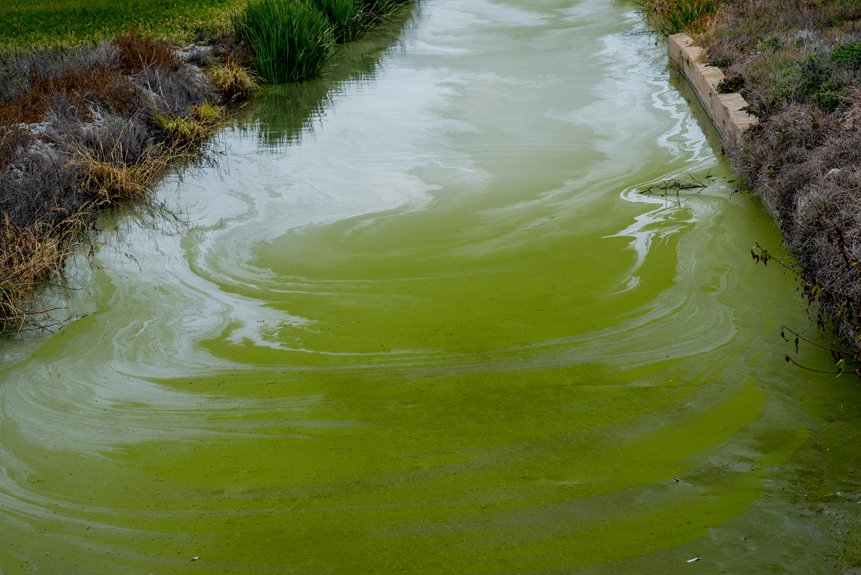
In Raintree Lakes, warming water and nutrient runoff are fueling cyanobacteria blooms, but the most concerning reason may surprise residents.
Pinpoint the biggest long-term water quality threats facing Sherwood Lake, MO, and discover which hidden pressures could change everything.
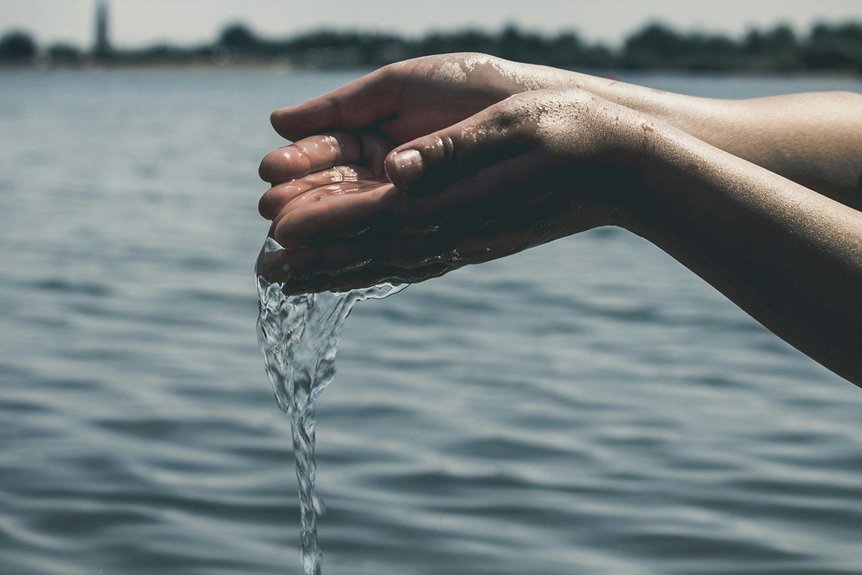
Just why Indian Lake MO water quality problems keep getting worse for property owners may come down to a few overlooked causes.
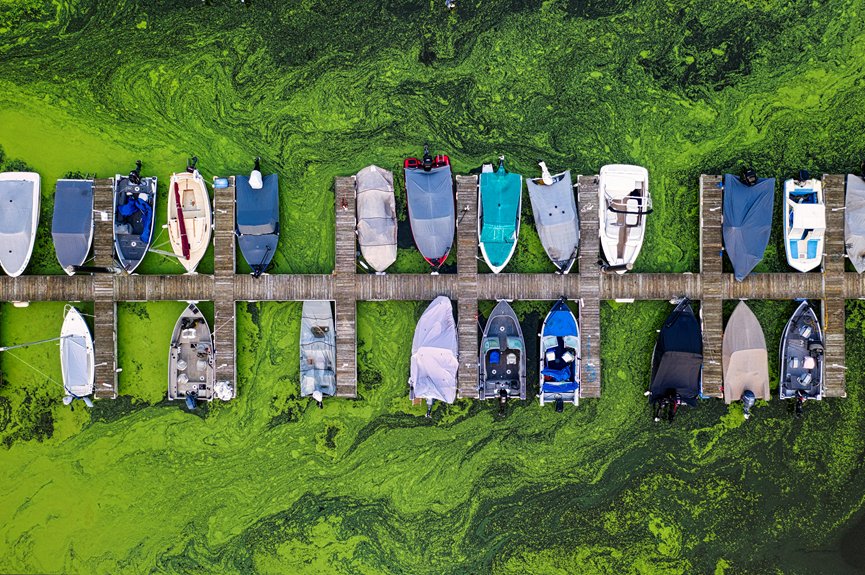
A hidden mix of runoff, septic leaks, and warming waters keeps harmful algal blooms returning to Lake Latonka, but the deeper cause may surprise you.

Biological activity in White Rock Lake, driven by microbes, aquatic plants, and fish, plays a crucial role in maintaining water quality. Microbes biodegrade organic contaminants and control pathogens, while plants filter particles and absorb excess nutrients, reducing algae blooms. Fish influence nutrient cycling through excretion and movement. Decomposers break down organic matter, affecting oxygen levels. Understanding how these biological processes interconnect helps manage water health effectively, and exploring these mechanisms further reveals how ecosystem resilience can be sustained. Key Takeaways Microbial communities biologically degrade organic contaminants, reducing toxins and controlling waterborne pathogens. Aquatic plants filter particles and absorb nutrients, enhancing water

Understanding why White Rock Lake needs a comprehensive water improvement plan reveals how addressing pollution and infrastructure is essential for its future health.